Top Skills Every Engineering Student Should Learn Before Graduation
A degree might get you an interview, but it's the skills that matter when it comes to landing a job. Each year, many engineering graduates have an excellent marksheet, but they struggle with placement interviews. Technical knowledge can only get you so far because recruiters today look for more than just your CGPA.
Here at Dr. M.C. Saxena College of Engineering and Technology, we believe in training our students for practical and real-world skills that companies look for at the time of hiring.
This guide explores the soft skills for engineering students that are as important as CGPA.
Why Do Soft Skills Matter?
Before we move further with the blog, it is important to understand the reason why students should focus on their soft skills.
The honest answer is that technical skills will only get your resume approved or shortlisted for an interview. But without soft skills, you lack the criteria for hiring.
For example, an employee can teach tools or frameworks within weeks or months, but they won't be able to teach anyone how to communicate clearly, work in a team, or handle pressure and time.
That is exactly why the real-world skills and importance of communication in engineering are much heavier than CGPA and marksheets.
Top Skills Engineering Students Should Learn Before Graduation
Let’s discuss soft skills topics for engineering students in detail and understand why they are important for recruiters and how students can work towards strengthening them in college.
1. Communication Skills for Engineers
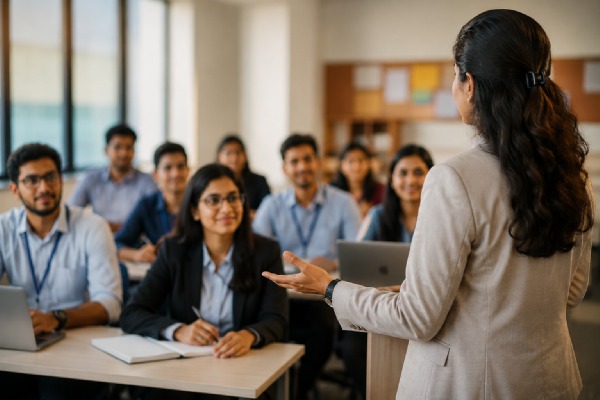
An amazing idea can be easily overlooked if it is not conveyed properly or if you are unable to explain it. Communication skills for engineering students are the number one thing on recruiters’ checklists. Communication is a daily requirement regardless of the job role, no matter if you are writing a project report, presenting a design to a client, or explaining a bug fix to a non-technical individual.
Having a gap in communication skills is one of the prime reasons capable students underperform in interviews and group discussions. It doesn't have to mean that they don't have the knowledge; it simply means they don't have a way of expressing their thoughts to the other party.
Here are some tips that can help you polish your skills in college:
- Practice technical presentations regularly in class and during seminars.
- Participate in group discussions and mock interviews.
- Write project documentation and reports in clear, structured language.
- Join college clubs, fests, and public speaking sessions.
MCSGOC helps blend communication skills for engineering students into our engineering curriculum. Seminars, industrial visits, and its Corporate Relations Department are equally focused here so our students can learn to be interview-ready and not just exam-ready.
2. Technical Skills That Go Beyond Just Studying the Syllabus
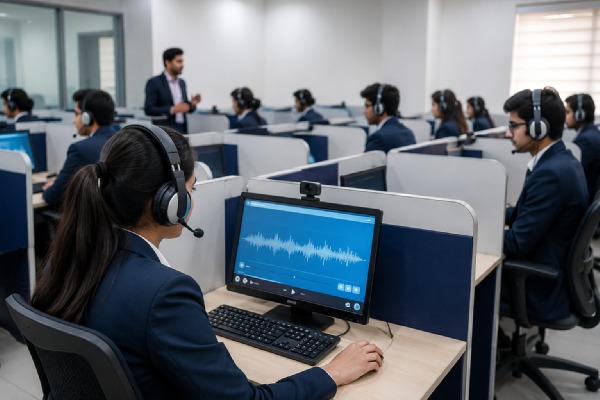
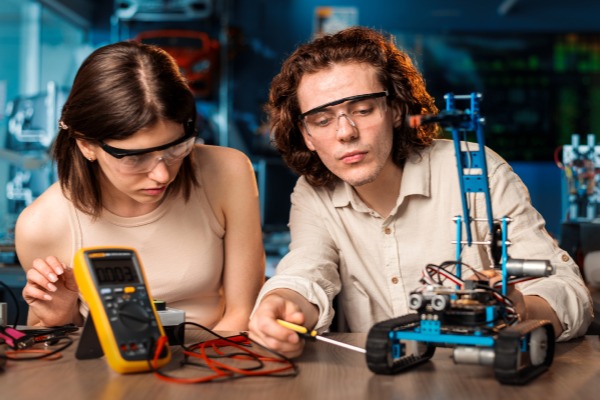
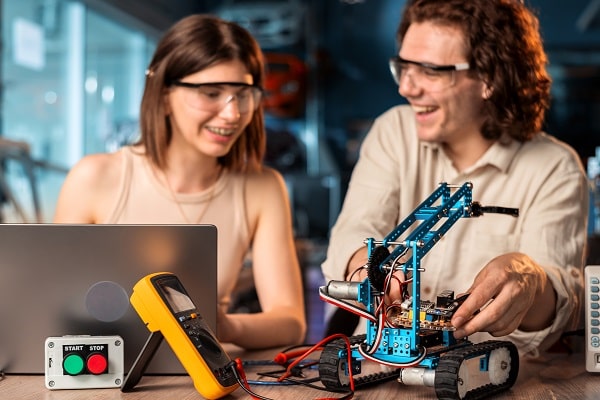
It is true that core knowledge about the subject is very important to learn and understand, but book knowledge will only matter if you can use that knowledge for hands-on technical work. MCSGOC provides good exposure to coding, CAD tools, data analysis, or domain-specific software depending on your branch.
It is always expected from students that they can apply the classroom theories in real-life projects and not just exam papers.
3. Problem-Solving and Critical Thinking
The Fundamentals of engineering lie within solving problems. Recruiters are actively seeking students who are capable of solving complex issues logically and coming up with multiple solutions to pick the most effective one. These soft skills for engineering students are best developed through lab work, mini projects, and gaining experience in internships.
4. Teamwork and Collaboration
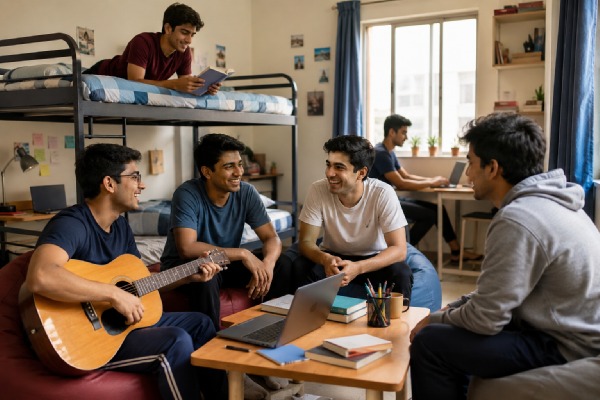
Most engineering jobs out there require employees to function in teams. Students should focus highly on learning to collaborate, take feedback, and contribute to shared goals to understand the core of effective communication for engineers.
Since workplace communication happens in group settings and not solo presentations, working with a team is a key skill that is required for almost every job role.
5. Time Management and Adaptability
Recruiters actively want people who can manage deadlines, sprints, and multiple project cycles to handle the pressure of work and do so on time. MCSGOC teaches student time management skills by letting them balance academics, projects, internships, and extracurricular activities.
This helps students to learn how to adapt faster, which is among the important soft skills for engineering students.
6. Digital and AI Literacy
AI is trending right now in almost all workstations. To have digital fluency is now a standard expectation that companies have. Students should explore the digital world, from automation tools to AI-assisted design and coding. They need to keep up with upgrading technologies to maintain their skills relevant to the rapidly changing job markets.
MCSGOC helps students get exposure to digital and AI literacy through tech seminars and lets students work with industry-aligned coursework.
Quick Overview
Here is a quick overview of the soft skills topics for engineering students
and their importance compiled in a systematic table:
|
Skill Area |
Why It Matters |
How MCSGOC practices soft skills for engineering students. |
|
Communication Skills |
It is a top hiring criterion. It helps explain technical work clearly |
Seminars, group discussions, Corporate Relations Deptartment |
|
Technical and Domain Skills |
Applies classroom theory to real projects |
Labs, mini-projects, industrial visits |
|
Problem-Solving |
Core engineering competency employers test for |
Live projects, hackathons, lab work |
|
Teamwork and Collaboration |
Most workplace communication happens in teams |
Group projects, student clubs |
|
Time Management |
Prepares students for deadlines and sprints |
Balancing academics, fests, internships |
|
Digital and AI Literacy |
Baseline expectation across every industry today |
Tech seminars, industry-aligned coursework |
Building these skills in college is what gives engineering graduates an upper hand in workplaces. Here at MCSGOC, we try our best to give the students a perfect balance between technical and soft skills training.
Why Is MCSGOC A Great Pick For Learning Soft Skills Alongside Technical Training?
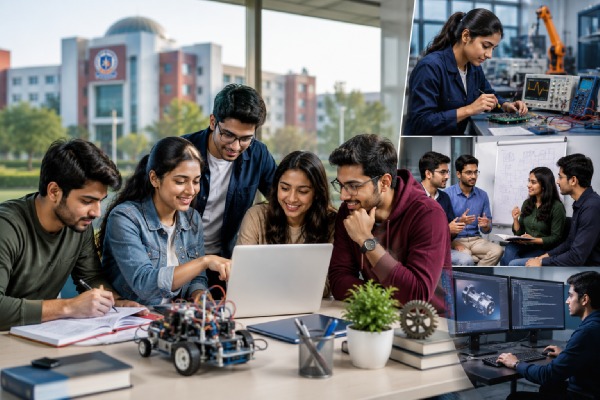
We believe that technical knowledge and soft skills must grow together. At MCSGOC, students get to participate in the Corporate Relations Department, industrial visits, annual fest, student clubs, and regular placement drives. We give opportunities to practice communication skills for engineers in real-world and practical settings.
Here is a look at what is making MCSGOC an excellent choice for an engineering college in Lucknow:
- 5,000+ Students Placed: We have a track record of successful placements of our students across industries like tech, AI, cybersecurity, cloud, server, and software.
- 750+ Skilled Faculty: We have experienced educators guiding the students through both academic and soft skills for engineering students.
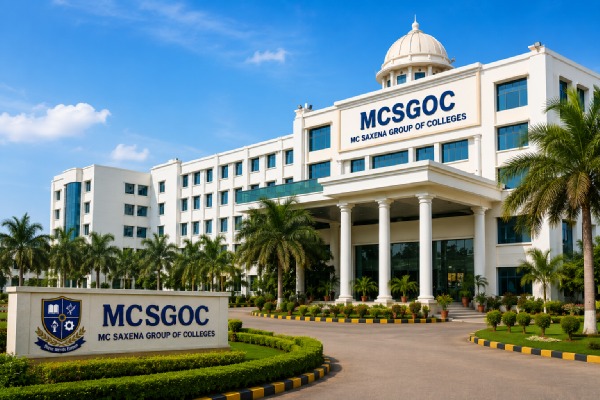
- 30+ Acres Campus: Students get to experience a spacious and green campus in Lucknow with modern infrastructure.
- Our Affiliations: We are affiliated with AKTU, Lucknow University, and AICTE, which are recognized for their industry-aligned academic programs.
Our approach integrates academics from AKTU-affiliated programs with soft-skill training. From day one, students are encouraged to step out of their classrooms to work on real-world skills.
Final Thoughts
Graduation is only the beginning of one’s career and learning. College is not only about reading books and completing the syllabus but also understanding the art of investing your time in both learning theories in the classroom and soft skills for engineering students. Especially with strong communication skills, you can graduate with a real chance in placements and career growth.
If you are also interested in exploring engineering programs that help you focus on both book theories and real-world skills, check out Dr. M.C. Saxena College of Engineering and Technology on our site.
FAQs
Q1: What are the most important soft skills for engineering students?
A: Students should focus on communication, teamwork, problem-solving, time management, adaptability, and leadership, as they are the most prominent soft skills for engineering students in every branch.
Q2: How can engineering students improve communication skills?
A: Students can improve their communication by taking part in presentations, group discussions, mock interviews, technical writing practice, and contributing to college events and seminars on a regular basis.
Q3: Why is communication important for engineering students?
A: Along with building systems, engineering students must know how to explain designs, write reports, and collaborate with teams and clients. The importance of communication for engineers is in being able to turn technical work into understandable words for everyone involved.